
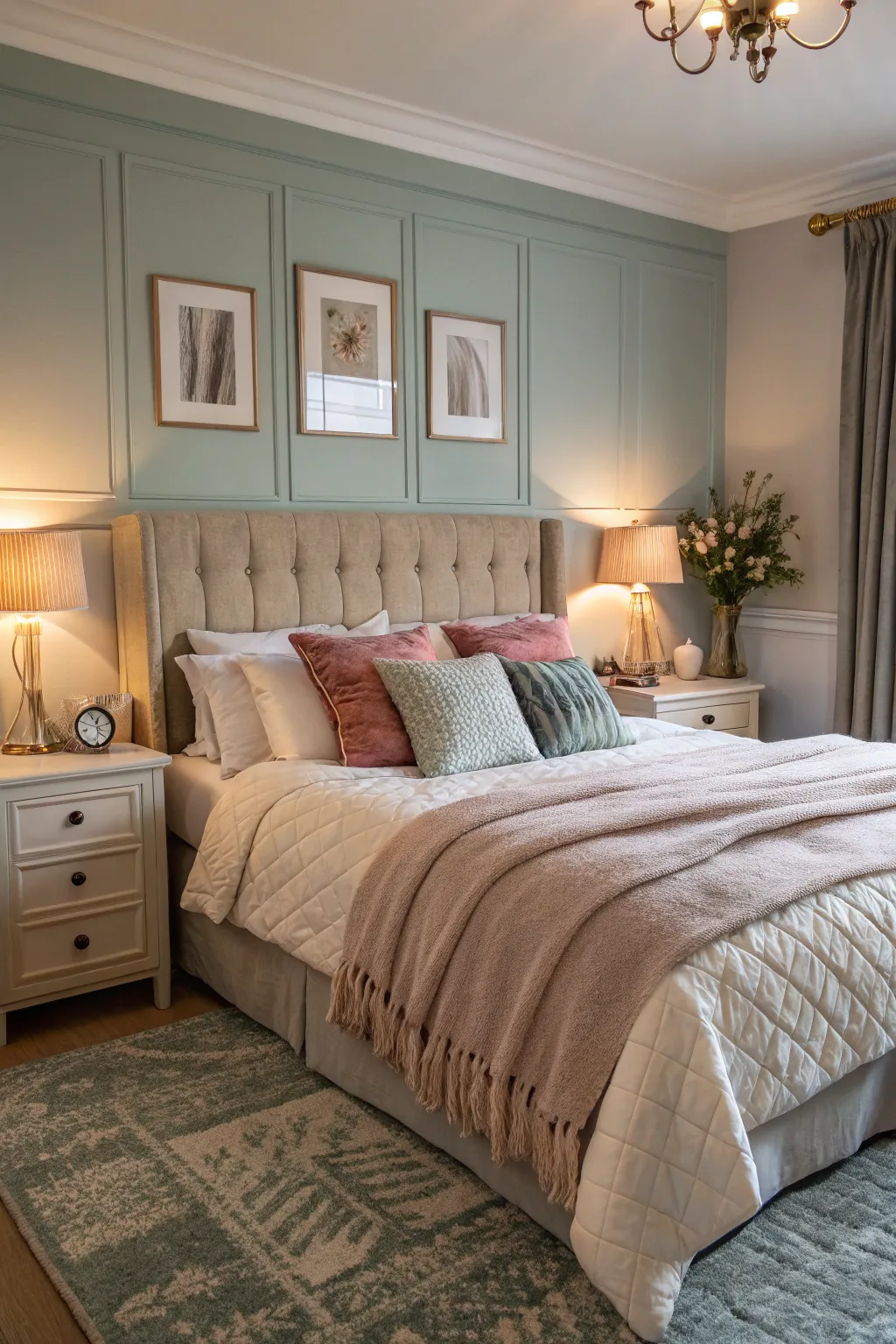
Creating a calming bedroom for someone with ADHD isn’t just about aesthetics; it’s about crafting a space that supports tranquility and focus. Let’s explore some thoughtful design strategies to transform your bedroom into a peaceful retreat.
Optimize the Room Layout

A strategic layout maximizes space and functionality. In my designs, I focus on creating a flow that supports both relaxation and ease of use. This approach is especially helpful if you are planning a serene yoga bedroom.
Experiment with Textures

Textures like soft rugs or fuzzy cushions can add comfort and interest. I’ve seen how these tactile elements can create a more inviting and calming space.
Bring Nature Indoors

Adding natural elements like plants can introduce a calming vibe. My clients often report feeling more relaxed with a touch of greenery in their space. A small potted plant also makes a wonderful addition to a feel better basket for a loved one.
Choose Cool and Neutral Colors

A palette of neutral and cool colors like soft blues and greens can have a calming effect. I often recommend these hues to create a serene atmosphere that supports relaxation. To ground this peaceful look, consider incorporating a stylish cowhide rug in your bedroom.
Opt for Minimalist Decor

Keeping decor minimal reduces visual clutter and promotes calmness. In my projects, I’ve noticed that less really is more when it comes to creating a soothing environment.
Experiment with Aromatherapy

Scents like lavender can be incredibly soothing. Over the years, I’ve seen how a simple diffuser can transform a space into a calming retreat. It’s a perfect addition if you’re exploring cozy Tumblr bedroom ideas.
Implement a Digital Detox

Limiting screen time in the bedroom can significantly improve relaxation. I’ve advised clients to create tech-free zones to foster a more restful environment.
Integrate Soundscapes

Soft music or white noise can drown out distractions. I’ve found that soundscapes can significantly enhance focus and relaxation. Adding a small sound machine is actually one of my favorite mother-in-law bedroom ideas to ensure guests sleep peacefully.
Incorporate Sensory-Friendly Elements

Weighted blankets or soft textures can make a big difference. I’ve noticed how these elements can provide comfort and a sense of security, essential for a calming space.
Introduce Visual Timers

Visual timers can help manage time effectively. Clients have found them particularly useful for maintaining focus and reducing anxiety around tasks.
Embrace Soft Lighting

When designing for tranquility, soft lighting is your best friend. I’ve found that using dimmable lights or warm-tone lamps can transform a room into a soothing sanctuary. If you’re updating your fixtures, exploring some modern lighting ideas can help you find the perfect balance.
Incorporate Art Thoughtfully

Art can inspire and soothe when chosen wisely. I encourage selecting pieces that resonate personally and contribute to a calming atmosphere. For a unique, handmade touch, consider exploring some cool bead art ideas to display.
Implement Organization Solutions

Staying organized is crucial for managing ADHD symptoms. I’ve helped clients by incorporating labeled storage and built-in shelving to keep spaces tidy and functional.
Create Personalized Spaces

Tailor your space to reflect personal tastes and interests. A personalized touch can make a room feel more welcoming, as I’ve seen with many clients who cherish their unique spaces.
Consider Canopy Beds

A canopy bed can create a cozy, enclosed feeling. Many clients appreciate the sanctuary-like atmosphere it provides, perfect for winding down. You can even enhance this space by exploring canopy bed ideas with lights.
Designate a Calming Corner

A cozy nook for relaxation can be a game changer. I’ve helped clients create corners with soft seating and calming decor to serve as personal retreats. Incorporating a quiet space like this is also one of my favorite HR office decor ideas for supporting employee well-being.
Use Multi-Functional Furniture

Furniture that serves multiple purposes can save space and add utility. I often recommend pieces like storage beds to my clients looking to maximize their room’s potential. These versatile pieces are especially useful if you are exploring different spare room storage ideas.
Invest in Comfortable Bedding

Quality sleep starts with comfortable bedding. From personal experience, cozy and plush bedding can significantly enhance sleep quality and overall well-being.