
Creating a DIY sensory wall is like opening a world of textures and wonders right at home. Let’s dive into some creative ideas that will transform your space into a sensory adventure.
Glow in the Dark Fun

Incorporate glow-in-the-dark elements for nighttime play. It’s a surprise twist that can make evening playtime extra special. For inspiration, try incorporating some fun glow in the dark vinyl ideas.
Furry Friends Corner

Attach plush toys or pieces of faux fur for a comforting touch. My little cousins adore this soft spot for calm and comfort. These soothing textures are also perfect additions to a DIY calm down box.
Themed Sensory Panels

Design panels around themes such as the ocean or jungle. Each panel can feature related items like seashells or faux leaves that bring the theme to life.
Storytelling Corner

Add a chalkboard or dry-erase board for drawing and storytelling. Kids can express their creativity while engaging with the sensory elements. You can even use the space to map out fun November dry erase calendar ideas to keep their daily activities organized.
Sensory Waterfall

Create a mini waterfall with tubes and funnels for water play. This is a hit during summer days and adds a soothing auditory element. It makes a perfect addition to any DIY water table.
Bubble Wrap Joy

Attach bubble wrap for a popping good time. It’s a classic sensory item that never fails to bring smiles and giggles.
Textured Fabric Collage

Start with a simple base like a cork board and cover it in a collage of textured fabrics. I love using materials like velvet, burlap, and faux fur to create a tactile wonderland. If you prefer to build the base from scratch, there are plenty of wine cork board ideas that work perfectly for this.
Sensory Pathways

Create pathways with different materials to walk on, such as pebbles or soft foam. It’s a fun way to engage the feet in sensory play. For another engaging activity, try setting up some water sensory play ideas.
Sensory Bead Maze

Incorporate a bead maze using wire and colorful beads. It’s a delightful tactile and visual activity that I’ve seen keep kids engaged for hours. For more hands-on fun, try exploring some creative messy play ideas.
Outdoor Sensory Garden

If you have space, incorporate potted plants with varied leaves and textures. It’s a beautiful way to blend nature with sensory exploration. You can even bring some of these natural elements indoors to use as sensory bin fillers.
Velcro and Hook Adventures

Attach various velcro shapes that can be rearranged. This encourages creativity and fine motor skills development.
Tactile Exploration Bottles

Fill clear bottles with different materials like water beads or glitter. They are great for visual and tactile exploration when little hands shake them, making them one of our favorite sensory crafts for kids.
Household Object Wonders

Incorporate everyday items like zippers and buttons. It’s amazing how these simple things can captivate children’s curiosity. These tactile elements are perfect for creating engaging sensory boards for autism.
Color and Light Play

Utilize colorful cellophane and small mirrors to bounce light and colors around. It’s a magical way to engage visual senses. You can even incorporate these visual elements into a fun sensory path for your kids.
Kinetic Sand Zone

Set up a small area with kinetic sand. This touchable art medium is as fascinating as it is soothing, perfect for tactile exploration. If you need inspiration, try some creative kinetic sand ideas.
Nature’s Touch Wall

Gather natural elements such as pinecones, stones, and moss. These not only add texture but also a calming natural aroma. If you have extra greenery, these materials are also perfect for building a moss terrarium.
DIY Texture Board

Mix and match materials like sandpaper, cork, and felt to create an ever-changing texture board. It’s a simple yet highly effective sensory tool. For another engaging project, explore some fun sensory bottle ideas.
Reflective Surfaces

Add small mirrors and reflective surfaces. They not only add to the visual allure but also invite self-discovery and interaction.
DIY Sequin Panels

Use reversible sequin fabric to create a shimmering interactive area. Kids can draw patterns with just a swipe of their hand.
Modular Sensory Tiles

Create a modular setup with interchangeable tiles featuring different textures like sandpaper or smooth silk. This way, you can update the wall as interests change.
Interactive Music Wall

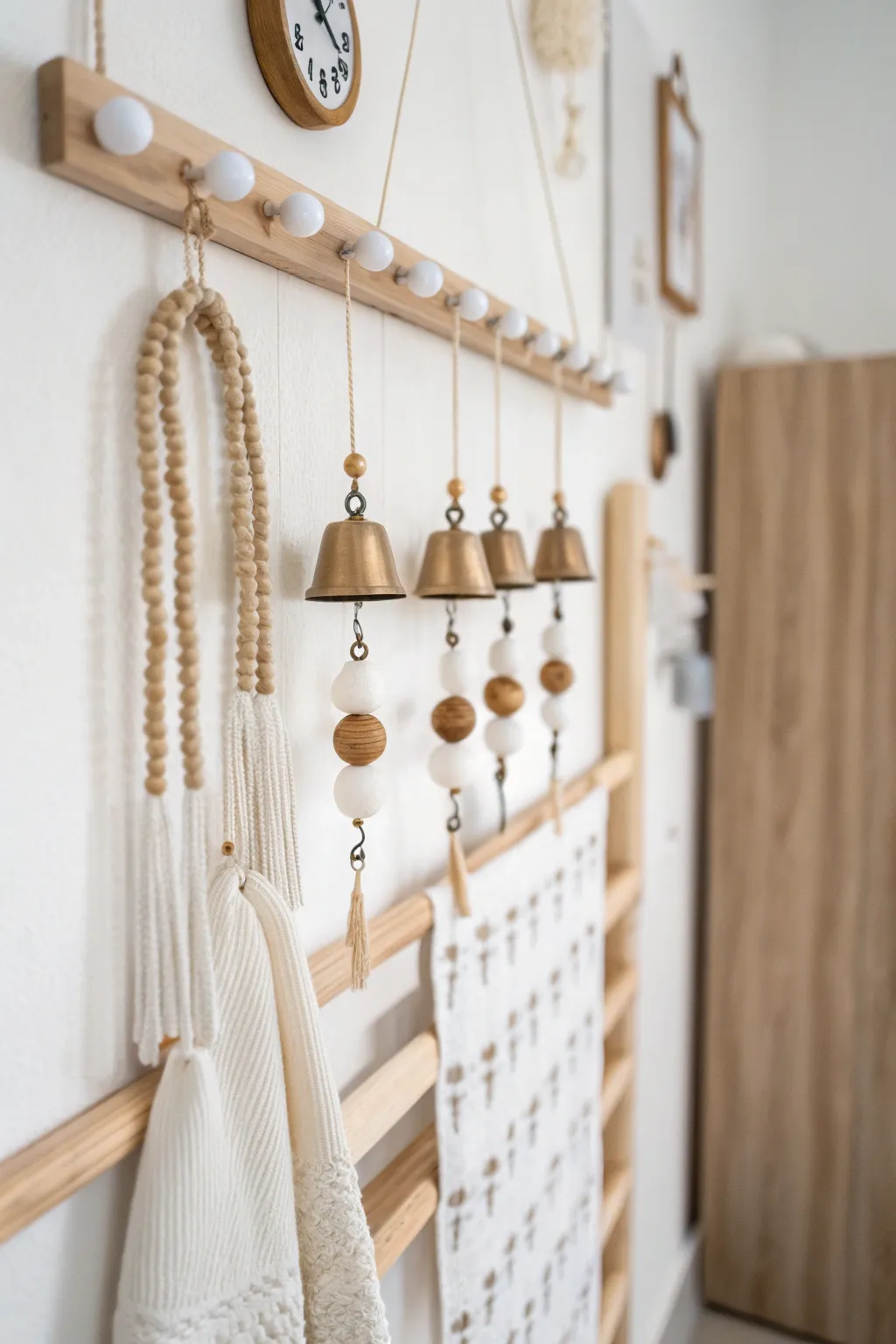
Incorporate sound elements like small bells and chimes. In my experience, kids are fascinated by the different sounds they can create with just a gentle touch.