
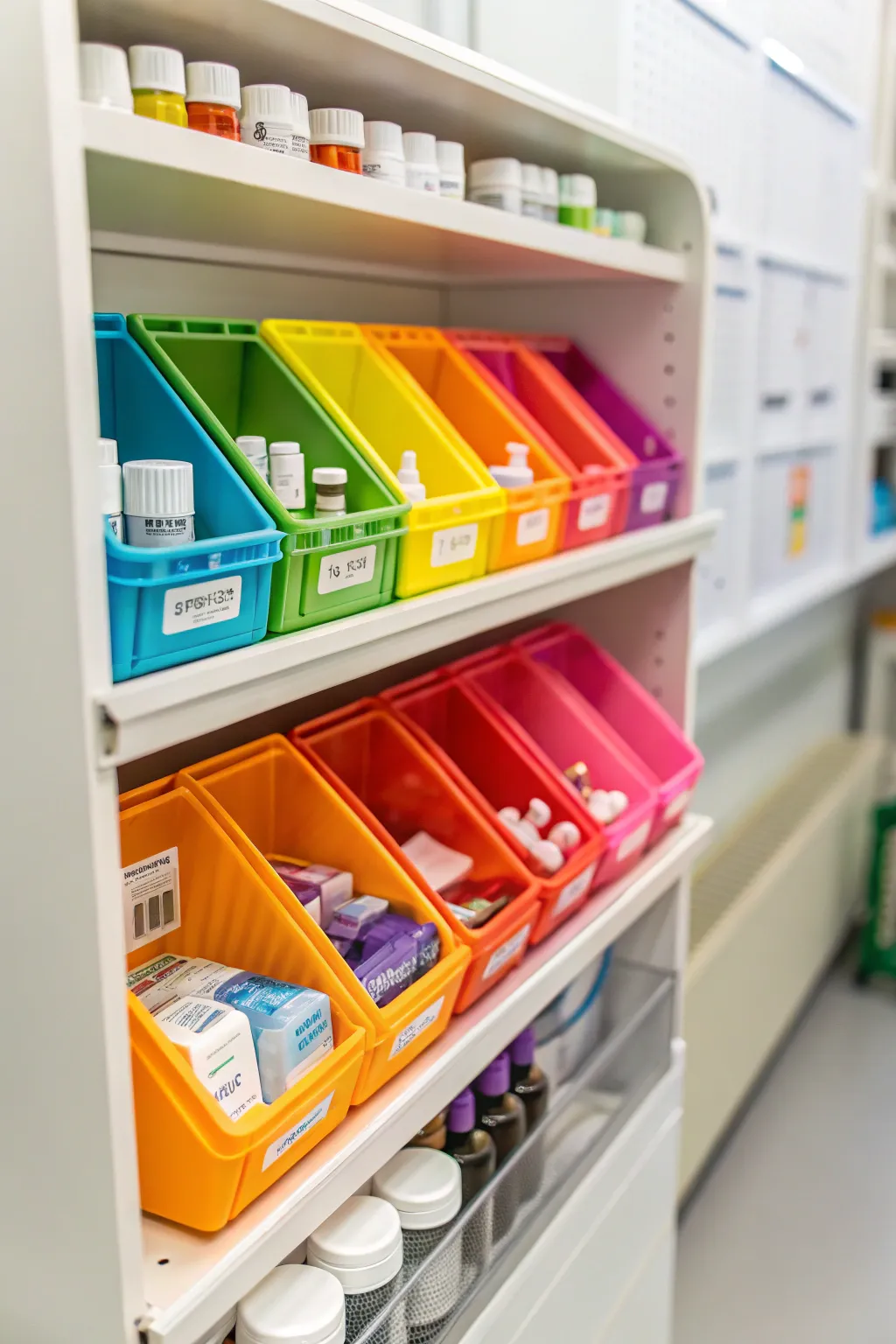
Organizing your medicine cabinet can transform chaos into calm, making it easy to find what you need when it matters most. Let’s explore 21 clever ideas to maximize your cabinet’s potential.
Adjustable Shelves for Flexibility

Installing adjustable shelves allows you to customize your cabinet to fit items of various sizes. This flexibility maximizes space and accommodates changing needs. Adding these shelves is a great step in any DIY old medicine cabinet makeover.
Create a Kid-Safe Zone

For family homes, designate a section for kid-friendly items at a safe height. This ensures accessibility for them without compromising safety. Using a narrow cabinet can help organize these items without taking up too much floor space.
Reserve a Section for Extras

Always leave space for extras or future additions. This foresight prevents overcrowding and keeps your cabinet functional over time. This is especially useful when planning trash can cabinet layouts to accommodate extra recycling bins or bags.
Incorporate a Dry Erase Board

A small dry erase board on the inside of the cabinet door can be used for notes about expiring medications or items to restock. It’s an excellent way to keep track of essentials. If you are updating other storage pieces in your home, check out these inspiring china cabinet makeover ideas.
Add a Pegboard for Extra Storage

If space allows, adding a small pegboard with hooks on the inside of your cabinet door can offer additional storage for small items. It’s a surprising way to optimize space, making it one of the most effective RV kitchen storage ideas for tiny interiors.
Use Clear Bins for Easy Visibility

Clear bins are a game-changer for organizing medicine cabinets. They allow you to see contents at a glance, which is incredibly handy when you’re in a hurry. You can even use similar transparent containers as under sink organizers to keep your bathroom vanity tidy.
Label Everything Clearly

Labels are your best friend in a medicine cabinet. They ensure everyone in the household knows where to find and return items, keeping everything tidy. If organizing inspires you to update other storage areas in your home, consider exploring some fresh kitchen cabinet refinishing ideas.
Use Refillable Bottles for Large Items

Transfer large liquid medications into smaller, refillable bottles to save space. It’s a clever way to maintain order and accessibility.
Utilize Vertical Space

Don’t let vertical space go to waste—use stackable bins or tall containers to make the most of your cabinet’s height. This approach increases your storage capacity significantly, making it a perfect strategy for implementing DIY screw storage ideas.
Use Magnetic Strips for Metal Tools

Attach a magnetic strip inside the cabinet for storing metal tools like tweezers and scissors. It’s an innovative way to keep these tools handy and organized. This space-saving trick is especially useful if you are exploring enclosed trailer cabinet ideas for a mobile setup.
Opt for a Minimalist Design

A minimalist approach reduces clutter and promotes a sense of calm. By keeping only essentials, you create a serene and functional space. Part of this streamlined look involves finding clever ways to hide your cable box and other unsightly electronics.
Rearrange Seasonally

Rearrange your cabinet seasonally, placing items like allergy meds or cold relief front and center as needed. This strategic shift keeps the cabinet relevant year-round. Much like creating patio designs that get used year-round, adapting your indoor storage to the seasons maximizes its utility.
Install Drawer Systems for Small Items

Drawer systems are perfect for organizing small items like band-aids and ointments. They keep everything in its place and prevent clutter.
Create a Dedicated First Aid Section

A dedicated section for first aid supplies ensures quick access during emergencies. In my experience, having these essentials at the ready can be a literal lifesaver.
Group Items by Category

Grouping items by categories like ‘First Aid’, ‘Skincare’, and ‘Vitamins’ simplifies finding what you need. This method reduces search time and keeps your cabinet orderly. If you’re looking to revamp your storage, check out these ideas to upcycle kitchen cabinets.
Use Transparent Storage for Quick Access

Transparent containers make it easy to see what’s inside, reducing the time spent searching for items. They’re particularly useful for frequently used medications.
Incorporate a Spill-Proof Tray

A spill-proof tray on the bottom shelf can catch leaks and spills, protecting your cabinet and making cleanup easier. It’s a practical addition I’ve recommended to many clients. To upgrade the exterior base of your units as well, consider exploring different cabinet toe kick options.
Incorporate a Built-In Light

A built-in light can illuminate your cabinet, making it easier to find items in low-light situations. I’ve seen this simple addition make a big difference in functionality. This lighting trick is just one of many DIY kitchen cabinet ideas that can completely transform your space.
Color-Code for Easy Identification

Color-coding bins by urgency or use can enhance quick access and organization. It’s a creative way to bring both order and aesthetics to your cabinet. To further optimize your space, consider clever kitchen cabinet gap solutions for those awkward leftover spaces.